Every Day is a Good Day to Be Ready
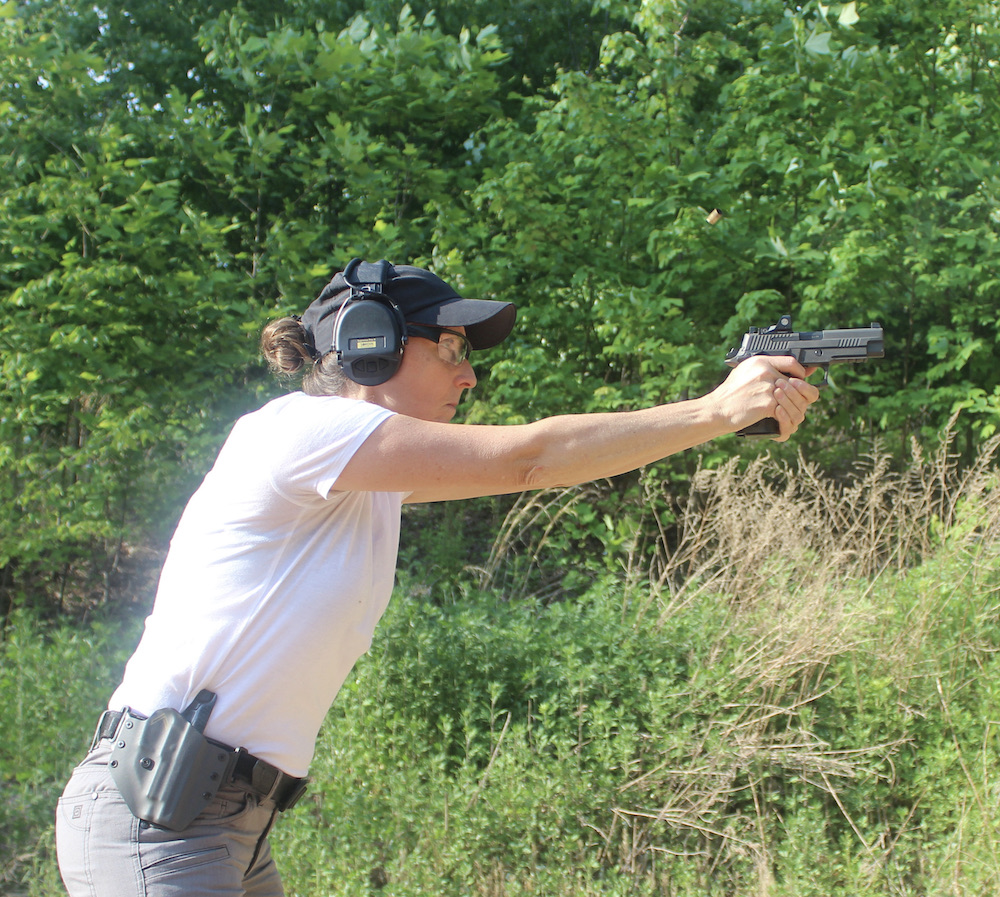
Cajun Arms instructors guide students in building the mindset and skills for everyday readiness.
Building a Mindset of Everyday Defensive Readiness
Being prepared for a defensive encounter isn't something you accomplish once.
You don't take a concealed carry class, buy a handgun, put it in a holster, and suddenly become prepared for everything life might throw at you.
Defensive readiness is a process.
It's built through awareness, training, preparation, and consistent habits.
At Cajun Arms, we believe every day is a good day to be ready.
That doesn't mean walking through life expecting danger around every corner.
It means understanding that you are responsible for your own decisions and preparation—and recognizing that the best time to develop those skills is before you need them.
What Does It Mean to Be Prepared for Self-Defense?
When people think about concealed carry preparation, they usually think about the firearm first.
What gun should I carry?
What holster should I use?
How much ammunition should I carry?
Should I have a flashlight?
Those are legitimate questions.
But they are only part of the equation.
True defensive readiness includes:
- Situational awareness
- Sound decision-making
- De-escalation
- Understanding your surroundings
- Knowing when to leave
- Knowing when to seek help
- Safe and competent firearm handling
- Regular practice
- Understanding your legal responsibilities
The firearm is a tool.
Your mindset and judgment determine how effectively—and responsibly—you use it.
Readiness Starts With Your Daily Routine
For those who choose to carry a firearm, preparation should become part of a consistent routine.
That may mean putting on your holster and checking your equipment as you get dressed.
It may mean making sure your clothing allows safe access to your firearm.
It may mean verifying that your holster is secure and that nothing interferes with the trigger guard.
It may mean carrying a flashlight or other equipment appropriate to your circumstances.
The details will vary from person to person.
The important part is developing a routine that allows you to start your day with confidence in your equipment and your preparation.
This is not about carrying the most gear.
In fact, experienced concealed carriers often learn that less can be more when it comes to defensive equipment.
The goal is to carry what you can use effectively—not what looks impressive on a gear table.
Your Equipment Should Support Your Training
One of the biggest mistakes new concealed carriers make is focusing on equipment before developing skills.
A new handgun doesn't make you a better shooter.
A red dot doesn't automatically make you a better shooter.
A new holster doesn't make you a better shooter.
Equipment can absolutely improve capability—but only when the person using it understands how to use it.
That's why your training should drive your equipment decisions.
As we discussed in What Experienced Concealed Carriers Wish They Knew Earlier, many experienced carriers eventually realize that their gear matters less than their ability to use it effectively.
Don't Confuse Awareness With Fear
There is an important difference between being aware and being afraid.
Situational awareness doesn't mean assuming every stranger is a threat.
It doesn't mean treating every unusual event as a potential attack.
And it certainly doesn't mean living your life in a constant state of anxiety.
Instead, awareness means paying attention.
Notice what is happening around you.
Recognize when circumstances change.
Identify exits when you enter unfamiliar environments.
Pay attention to developing problems.
Most importantly, be willing to leave before a situation becomes dangerous.
The best defensive encounter is often the one you never have.
The First Defensive Skill Is Decision-Making
Many gun owners spend most of their training time learning how to shoot.
That's understandable.
Shooting is measurable.
You can track accuracy.
You can measure time.
You can see your groups.
Decision-making is much harder to measure.
But it may be far more important.
A defensive encounter may require you to determine:
Is this person actually a threat?
Can I safely leave?
Do I need to intervene?
Are other people in danger?
Is there a better option than using force?
What happens if the situation changes?
These are not questions you can answer with a target and a timer.
This is why we believe defensive firearms training must go beyond marksmanship.
Our article What Skills Matter Most in a Defensive Encounter? explores the broader skill set that responsible armed citizens should develop.
A Qualification Is Not the Same as Readiness
Passing a shooting qualification is valuable.
It demonstrates that you can meet a defined standard under defined conditions.
But don't confuse that accomplishment with complete defensive preparedness.
Real-world situations are rarely conducted on a square range.
There is no instructor giving you commands.
There may be no clearly defined target.
You may have to make decisions before you ever touch your firearm.
You may be moving.
You may be protecting someone else.
You may be dealing with an unfamiliar environment.
You may be under extreme stress.
That's why qualification should be viewed as a baseline—not the finish line.
For more on this distinction, read Why Qualification Scores Don't Measure Defensive Readiness.
Training Should Be a Process, Not an Event
One of the biggest misconceptions among new gun owners is that one class is enough.
It isn't.
A quality introductory course is an important first step.
But skills deteriorate.
Equipment changes.
Your circumstances change.
Your confidence changes.
And as you gain experience, your training should become more sophisticated.
That's why we encourage students to view defensive firearms training as a progression.
Start with the fundamentals.
Build competence.
Then gradually introduce more complex problems.
The Cajun Arms Defensive Carry Series is designed around this philosophy.
Students can progress through increasingly challenging levels as their skills develop.
Build a Personal Training Plan
You don't need to spend every weekend at the range to improve.
You do need consistency.
A personal defensive training plan might include:
Dry Fire
Short, focused sessions that reinforce fundamental skills.
Live Fire
Regular range sessions with specific objectives.
Professional Training
Periodic instruction to identify weaknesses and introduce new skills.
Mental Preparation
Thinking through decisions and possible problems before they happen.
Equipment Maintenance
Regularly inspecting your firearm, holster, magazines, and other equipment.
The most effective training plan is the one you can maintain.
For a more detailed approach, read How to Build a Personal Defensive Training Plan.
Practice for Imperfect Conditions
One of the easiest mistakes to make is training only when everything is comfortable.
Standing on a square range.
Perfect lighting.
Perfect grip.
Perfect stance.
Known targets.
Predictable commands.
Those conditions are useful for developing fundamentals.
But defensive training should eventually introduce complexity.
What happens if you can't use both hands?
What happens if you are moving?
What happens if your first plan doesn't work?
What happens if you're injured?
What happens if the situation changes?
These are the types of questions that should gradually become part of a well-rounded defensive training program.
Our article Training for Injury: Why You Must Prepare for the Unexpected explores the importance of developing skills that can help you continue functioning when conditions aren't ideal.
Don't Let Complacency Become Your Training Plan
One of the greatest risks for any concealed carrier is becoming comfortable.
You take a class.
You qualify.
You carry for a year.
Then two years.
Eventually, the firearm becomes just another object you carry every day.
That is when training can begin to slip.
The draw becomes slower.
The skills become rusty.
Equipment isn't inspected as often.
Range trips become less frequent.
You stop challenging yourself.
This is how people plateau.
As we discussed in Why Most Gun Owners Plateau After Their First Training Class, initial enthusiasm often fades when there is no structured plan for continued development.
Readiness Doesn't Mean Constantly Carrying More
Being prepared isn't about accumulating equipment.
It's about developing capability.
You don't necessarily need:
- Five magazines
- Multiple lights
- The latest optic
- Every new accessory
- A bag full of tactical equipment
You need equipment you understand and can use effectively.
You need a firearm you can operate safely.
You need a holster that securely supports your firearm.
You need a training plan.
And you need the judgment to know when and how to apply your skills.
The objective isn't to carry everything.
It's to be prepared with what you carry.
Make Every Day a Training Opportunity
Not every training opportunity requires live ammunition.
You can practice awareness anywhere.
You can evaluate your surroundings.
You can think about exits.
You can practice identifying potential problems early.
You can review your equipment.
You can perform safe dry-fire practice at home.
You can mentally rehearse decisions.
You can take a professional class.
Every one of these activities contributes to preparedness.
The key is to make readiness a habit rather than something you think about only after a frightening event.
Train Before You Need It
The worst time to discover a weakness is during a crisis.
That's true of equipment.
It's true of physical fitness.
And it's especially true of defensive skills.
You don't want to discover that your holster is difficult to access when you need your firearm.
You don't want to discover that your draw stroke is inefficient under pressure.
You don't want to discover that you can't manipulate your firearm with one hand.
You don't want to discover that you've never considered the legal or ethical responsibilities associated with using deadly force.
Training gives you an opportunity to identify those weaknesses when the stakes are low.
That's the value of preparation.
Final Thoughts
Every day is a good day to be ready.
But readiness isn't paranoia.
It isn't fear.
And it isn't about constantly expecting the worst.
It's about being responsible.
It's about recognizing that life is unpredictable and deciding to prepare yourself before you need those skills.
For the responsible armed citizen, preparedness means developing the ability to recognize danger, avoid unnecessary conflict, make sound decisions, and use your firearm effectively and responsibly if absolutely necessary.
At Cajun Arms, we believe the firearm is only one piece of the defensive puzzle.
The real goal is to develop a capable, thoughtful, and prepared individual.
Train regularly.
Practice deliberately.
Stay aware.
Keep learning.
And never assume that because you've trained once, you're finished.
Every day is a good day to be ready.
- How to Build a Personal Defensive Training Plan
- Why Qualification Scores Don't Measure Defensive Readiness
- The Hidden Costs of Cheap Firearms Training
- What Experienced Concealed Carriers Wish They Knew Earlier
- What Skills Matter Most in a Defensive Encounter?
- How Often Should You Train With Your Carry Gun?
- Why Most Gun Owners Plateau After Their First Training Class
- Why Serious Shooters Across Pennsylvania Train With Cajun Arms
- Why Training Matters More Than Gear
- Mistakes Intermediate Shooters Still Make