Dry Fire Training: What Actually Works vs. What’s a Waste of Time
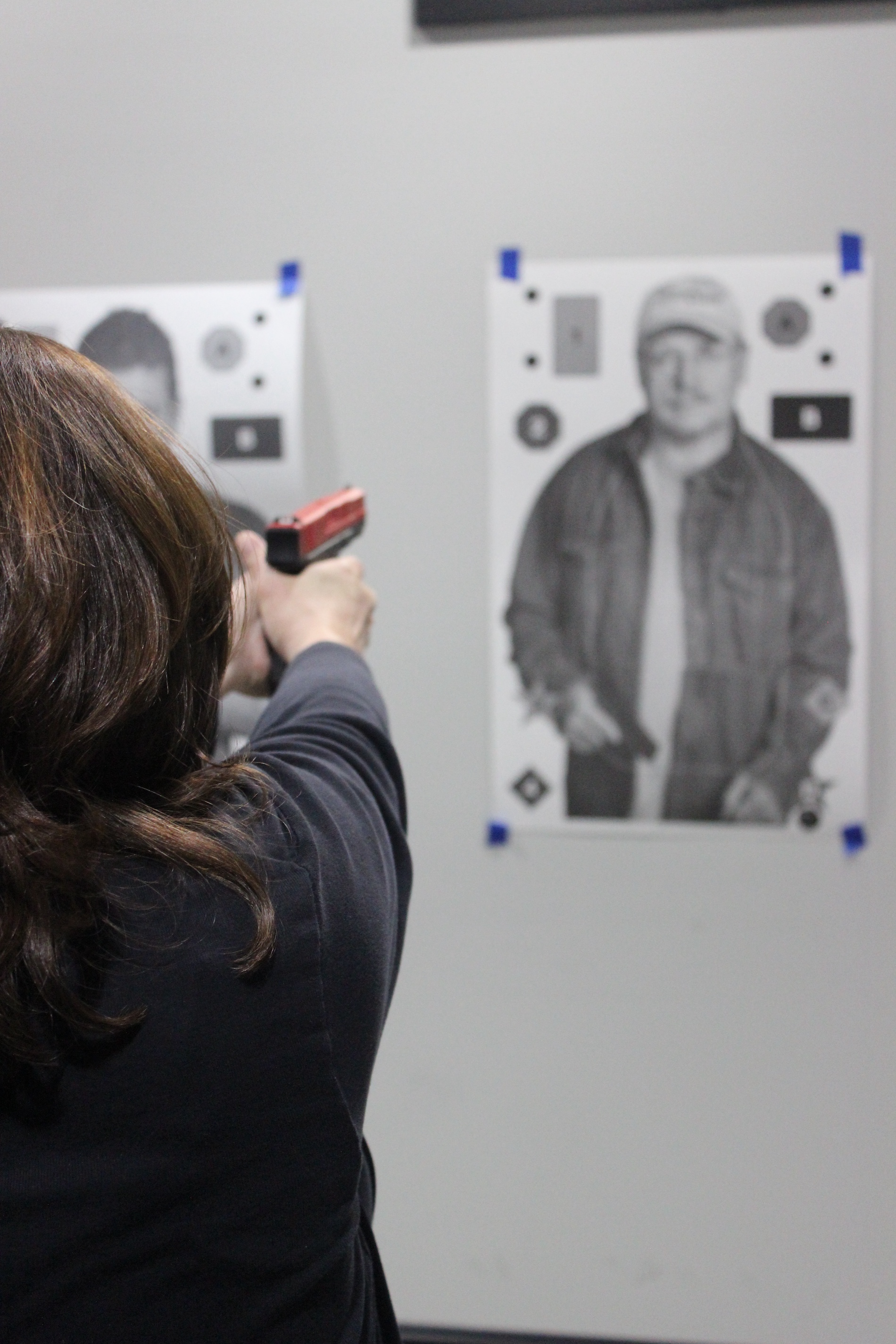
Dry fire training with Cajun Arms
Dry Fire Training: What Actually Works vs. What’s a Waste of Time
Search for “how to dry fire train at home” and you’ll get flooded with advice. Some of it is useful. A lot of it isn’t.
At Cajun Arms, we see the downstream effects of both.
Students show up having spent hours “training”—but many have simply reinforced poor habits. The issue isn’t effort. It’s direction.
Dry fire is one of the most powerful tools available to a shooter. But only if it’s done with purpose.
Let’s separate what actually works from what’s wasting your time.
What Dry Fire Training Is Actually For
Before anything else, understand this:
Dry fire is not just “practice without ammo.”
It is:
- A way to build neural pathways
- A method to refine movement efficiency
- A tool to eliminate unnecessary motion
If your dry fire doesn’t support those outcomes, it’s not training—it’s repetition without progress.
What Actually Works in Dry Fire Training
1. Structured Drawstroke Repetition
One of the most searched topics is “how to improve concealed carry draw speed”—and dry fire is where that happens.
But speed is not the goal. Efficiency is.
Effective drawstroke work focuses on:
- Clearing the garment the same way every time
- Establishing a full firing grip before the draw
- Driving the gun to the same visual index point
What this builds:
Consistency under pressure. Not just speed on a timer.
2. Deliberate Trigger Control Practice
Another high-volume search is “how to improve trigger control without shooting.”
This is where dry fire shines—if done correctly.
Focus on:
- A smooth, uninterrupted trigger press
- Zero movement in the sights during the break
- Reset awareness (if applicable to your platform)
What this builds:
Shot accountability. Every press should be intentional.
3. Target Transitions (Without Rushing)
Most people rush this—and turn it into sloppy movement.
Instead:
- Move your eyes first
- Let the gun follow
- Stop precisely, not quickly
What this builds:
Visual discipline and control—two things that fall apart under stress.
4. Realistic Practice Environment
Searches like “dry fire training at home safely” are popular—but often miss the bigger point.
Environment matters.
Standing flat-footed in perfect lighting, facing a single target, is not realistic.
Instead:
- Practice from concealment
- Work around obstacles (safely)
- Change positions (standing, seated, etc.)
What this builds:
Adaptability—not just repetition.
5. Short, Focused Sessions
More is not better.
One of the most common mistakes in dry fire practice routines for beginners is overtraining.
Effective sessions:
- 10–15 minutes
- One or two specific skills
- Full concentration
What this builds:
Quality reps instead of mental fatigue.
What’s a Waste of Time (And Often Makes You Worse)
1. Mindless Repetition
Running 200 sloppy reps doesn’t make you better—it makes bad habits permanent.
If you’re not:
- Paying attention
- Evaluating each rep
- Making corrections
You’re just going through the motions.
2. Practicing Too Fast, Too Soon
Speed without structure is one of the biggest issues we see.
People chase:
- Fast draws
- Fast splits
- Fast transitions
Before they’ve built consistency.
The result is predictable: breakdown under pressure.
3. Ignoring Safety Protocols
Searching “is dry fire safe” should always lead to one answer: it is—if you treat it seriously.
Complacency here is dangerous.
Non-negotiables:
- No live ammo in the room
- Clear and verify the firearm
- Use a consistent safety routine every session
If your safety habits are loose in practice, they will be loose under stress.
4. Training Without Feedback
This is where YouTube and solo training fall short.
You may think you’re doing it right—but without feedback, small issues go unnoticed:
- Grip inconsistencies
- Inefficient movement
- Poor indexing
And those issues compound over time.
5. Overcomplicating It with Gimmicks
There’s no shortage of gadgets marketed around “best dry fire training tools.”
Some have value. Many are distractions.
If a tool replaces fundamentals instead of reinforcing them, it’s not helping.
You don’t need complexity—you need clarity.
The Reality: Dry Fire Doesn’t Replace Live Fire or Training
Dry fire builds mechanics.
It does NOT:
- Replicate recoil
- Create pressure
- Test decision-making
That’s where structured training comes in.
At Cajun Arms, we regularly see shooters who have put in time—but not in the right way. Once corrected, their performance improves quickly because the effort was there—the direction just wasn’t.
Final Thoughts: Train With Intent or Don’t Train at All
Dry fire training is one of the highest-return activities a shooter can do.
But only if:
- You’re deliberate
- You’re consistent
- You’re focused on doing it correctly
Otherwise, you’re just reinforcing problems you’ll have to fix later.
Train With Purpose
If you want to ensure your dry fire training is actually building skill—and not bad habits—our courses at Cajun Arms are designed to give you structure, feedback, and real-world application.
Because how you practice matters just as much as how often.
- How to Build a Personal Defensive Training Plan
- Why Qualification Scores Don't Measure Defensive Readiness
- The Hidden Costs of Cheap Firearms Training
- What Experienced Concealed Carriers Wish They Knew Earlier
- What Skills Matter Most in a Defensive Encounter?
- How Often Should You Train With Your Carry Gun?
- Why Most Gun Owners Plateau After Their First Training Class
- Why Serious Shooters Across Pennsylvania Train With Cajun Arms
- Why Training Matters More Than Gear
- Mistakes Intermediate Shooters Still Make
- Dry Fire Training: What Actually Works vs. What’s a Waste of Time
- Top 10 Mistakes New Concealed Carriers Make (And How to Avoid Them)
- Why Are You Just Standing There? Shooting From Unconventional Positions
- You Get What You Pay For: Why Quality Firearms Training Matters
- How to Choose a Firearms Training Class in Pennsylvania (2026 Guide)
- Teaching Your Child Gun Safety: A Parent's Complete Guide
- AR15 for Home Defense: Choosing the Right Gun for the Job
- Understanding Self-Defense Laws and Concealed Carry in Pennsylvania: A Comprehensive Overview
- Low-Light Defensive Shooting: Techniques You Won’t Learn on the Square Range
- Defensive Mindset: How to Stay Calm and Think Under Stress
- Why De-Escalation Training Completes a Well-Rounded Defensive Education
- Self Defense Training for Your Family in Uncertain Times
- How Often Should You Train With Your Concealed Carry Firearm?
- Where to Sell Used Firearms: Why Cajun Arms is Your Premier PA Choice
- Why Training Outdoors in Winter Matters More Than You Think
- Why Most Gun Owners Fail Under Stress — And How Stress-Inoculation Training Fixes It
- Avoidance and Awareness: Your First Line of Self-Defense
- Mental Preparation for Defensive Shooting Class
- Mental Preparation for Defensive Shooting: The Missing Link for CCW Holders
- 2025/26 Trends in CCW & Concealed Carry: What Every Responsible Gun Owner Should Know
- Mastering Speed and Precision in Defensive Pistol Training: A Complete Guide
- Why Small Unit Tactics (SUT) Don’t Work for Civilians — And What Does: A Cajun Arms Guide
- What to Expect in a Defensive Pistol Class
- Essential AR15 Maintenance Tips for Maximum Reliability and Long Service Life
- Bad Guys Come Out in the Heat
- Looking for “Firearms Training Near Me”? Here’s What to Expect—and How to Choose the Right Instructor
- Speed vs. Precision: What Matters Most in a Defensive Shooting?
- Dynamic Movement & Shooting: Train Like You Fight
- Firearms Training and Home Defense
- From Basics to Advanced: Tactical Shooting Courses at Cajun Arms
- Firearms Training Near Me - Cajun Arms West Chester, PA
- Master Your AR-15 with Expert Training at Cajun Arms
- Defensive Pistol Training for Self-Defense — Cajun Arms
- Choose the Best Home Defense Firearm — Cajun Arms Guidance
- Becoming a Firearms Instructor: The Path to Excellence
- Empowerment Through Precision: Elevating Your Self-Defense Firearm Skills
- Training Scars: Breaking Free From Flat-Range Habits
- Vehicle Defense
- WATCH WHAT YOU FEED YOUR GUN
- CAN YOU BE ACCOUNTABLE FOR YOUR SPEED?
- Training with Micro-Compacts
- A Follow Up to the “Hardest Shooting Fundamental”
- So You Want To Go Fast?
- The Hardest Shooting Fundamental: Mastering Follow-Through
- New Gun, New Habits
- Home Defense Shotgun Set Up
- What Should I be Doing at the Range?
- Fighting From The Ground
- Take Charge of Recoil, don’t let it control you…
- Think Before You Speak
- Grab a Partner
- The Risks of Being Nice
- Lead With Your Eyes (not your muzzle)
- Train as You Carry… Leave the competition and tactical gear behind
- KNIFE VS GUN - A quick scenario to ponder
- Frankengun vs. Factory: Choosing a Reliable AR for Self-Defense
- Program Your Brain: Why Perfect Practice Beats Fast Practice
- What If You're Injured During a Defensive Encounter?
- Lights and Lasers and YouTube Ninjas
- Our Stance on Your Stance
- Training for More Than One Attacker…
- Keep Your Head On - Consistency
- Defensive Shotgun Accessories: What You Need—and What You Don't
- Charlottesville - lies and hypocrites
- Keep Your Finger Off the Trigger…
- …and Re-holster
- Unauthorized persons…
- Focus on What will Save Your Life
- Train for Success with your Firearms
- Every Day is a Good Day to Be Ready
- Appendix Carry - Is it right for you?
- Learn to See the Light: Low-Light Firearms Training You Can Use
- Anti-Gun Sentiment on the Internet: How It Affects Lawful Firearms Owners
- Point Shooting: Does it work?
- About your self-defense carry ammo...
- See the Whole Picture... Know how to reload reflexively
- One-Handed Shooting
- Every Bullet Has a Price
- On Magazine Changes... fighting for your life
- There is Such a Thing as Too Fast...
- A Threat at Arm's Length
- In Defensive Shooting, Missing Your Target Has Consequences...
- Operating out of your Comfort Zone...
- Every Bullet Has A Price - Operational Speed
- Car and Truck Gun Safety: Protect Yourself Responsibly
- Keep a Clear Head
- Get Training!
- Women and Firearms at Cajun Arms