Why Training Matters More Than Gear
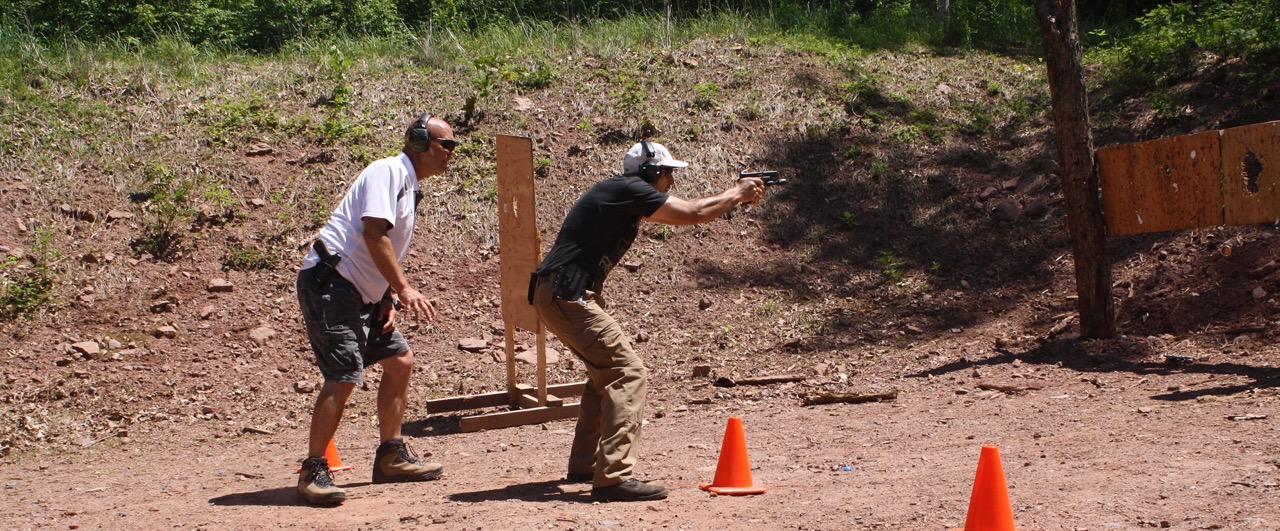
Cajun Arms instructor, Jim Benoit coaching a student
In today’s firearms culture, it’s easy to get caught up in equipment.
Optics. Lights. Compensators. Premium ammunition. The newest carry gun everyone online is talking about.
None of those things are inherently bad. Quality equipment matters. Reliable tools matter.
But there’s a hard truth many shooters eventually discover:
The shooter matters more than the gear.
At Cajun Arms, we regularly see students arrive with expensive setups and very little practical capability behind them. We also see shooters with basic, reliable equipment outperform expectations because they invested in something far more important—training.
Equipment Can Help. Training Builds Capability.
A quality firearm may improve reliability.
An optic may improve target acquisition.
A good holster may improve concealment and access.
But none of those things:
- Make safe decisions under stress
- Fix poor trigger control
- Improve movement
- Build situational awareness
- Teach accountability
- Develop judgment
- Prepare you to perform under pressure
Training does.
Real defensive capability is not built through purchases. It is built through repetition, coaching, accountability, and experience.
That’s why our courses focus on developing the shooter—not simply validating equipment choices.
Defensive Shooting Is a Perishable Skill
Many gun owners shoot casually a few times a year and assume ownership alone equals preparedness.
It does not.
Defensive firearms use requires:
- Consistent practice
- Safe gun handling habits
- Efficient manipulation skills
- Decision-making under pressure
- The ability to process information quickly and responsibly
These skills fade without deliberate training.
The reality is simple:
Owning a firearm for protection without training is like owning a fire extinguisher without knowing how to use it.
Training Should Reflect Reality
One thing that separates meaningful defensive training from casual range shooting is context.
Standing still in a lane slowly punching holes in paper has limited value if your goal is real-world preparedness.
At Cajun Arms, our training emphasizes:
- Safe gun handling under stress
- Efficient concealed carry skills
- Accountability for every round fired
- Movement and positional work
- Defensive decision-making
- Performance standards—not participation trophies
We believe training should challenge students while remaining safe, structured, and grounded in reality.
Not fantasy.
Not ego.
Not theatrics.
Just practical defensive capability built step by step.
The Difference Between Information and Skill
Watching videos online can introduce concepts.
Reading articles can build understanding.
But neither replaces live instruction.
Skill development requires:
- Coaching
- Feedback
- Pressure
- Repetition
- Correction
- Standards
A shooter cannot diagnose many of their own deficiencies alone. Small inefficiencies become major problems under stress.
That’s where quality instruction matters.
What Serious Students Eventually Learn
Experienced shooters eventually stop chasing shortcuts.
They realize:
- Fundamentals matter more than trends
- Consistency beats gimmicks
- Safe gun handling is non-negotiable
- Performance matters more than appearance
- Training with purpose produces results
Most importantly, they learn confidence comes from competence—not equipment.
Invest in Yourself
The firearms industry will always sell products.
There will always be a newer optic, a lighter trigger, or another accessory promising better performance.
But the greatest upgrade available to most shooters is still training.
A capable, disciplined shooter with basic equipment will almost always outperform an untrained shooter with expensive gear.
That’s why we do what we do at Cajun Arms:
To help responsible armed citizens build practical, measurable defensive capability through professional instruction and realistic training.
Because when it matters most, skill—not marketing—wins.
Where Competition Skills and Defensive Skills Separate
Competitive shooting can absolutely build valuable abilities.
Speed.
Efficiency.
Target transitions.
Gun handling under pressure.
There is overlap, and many talented shooters come from competition backgrounds.
But defensive firearms training and competitive shooting are not the same thing.
The problem begins when people confuse game performance with tactical judgment.
Many of the latest “cool guy” techniques circulating online are designed to shave fractions of a second off a stage score—not help someone make legally, morally, and tactically sound decisions during a real-world violent encounter.
In competition:
- The targets are known
- The environment is controlled
- The rules are predictable
- The penalties are measured in points and time
In real life:
- You may not immediately know who the threat is
- Innocent people may be present
- Movement may be chaotic
- Your decisions carry permanent consequences
A technique that works brilliantly for winning matches may be completely inappropriate in a defensive situation.
At Cajun Arms, we believe students need more than speed. They need judgment.
That means understanding:
- When to move
- When not to move
- When to shoot
- When not to shoot
- How to use cover responsibly
- How to manage unknowns
- How to stay accountable for every round fired
The goal is not to look impressive on social media.
The goal is to prevail responsibly in the worst moments of your life.
Performance matters.
But tactical awareness, decision-making, and accountability matter more.
That’s why our training philosophy prioritizes practical defensive capability over trends, theatrics, or internet popularity.
- How to Build a Personal Defensive Training Plan
- Why Qualification Scores Don't Measure Defensive Readiness
- The Hidden Costs of Cheap Firearms Training
- What Experienced Concealed Carriers Wish They Knew Earlier
- What Skills Matter Most in a Defensive Encounter?
- How Often Should You Train With Your Carry Gun?
- Why Most Gun Owners Plateau After Their First Training Class
- Why Serious Shooters Across Pennsylvania Train With Cajun Arms
- Why Training Matters More Than Gear
- Mistakes Intermediate Shooters Still Make